
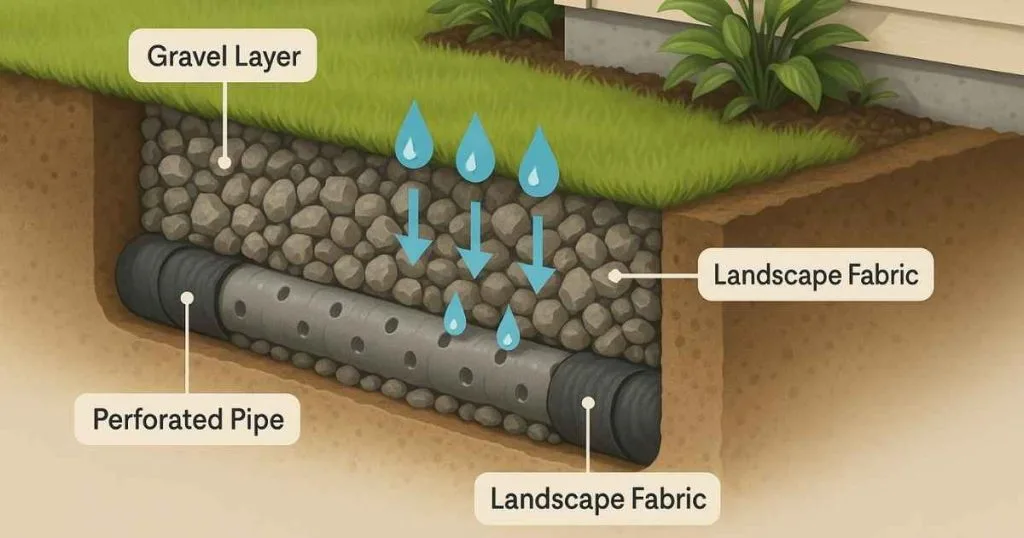
French drains are an essential component for managing excess water around homes and properties. This innovative drainage solution helps direct water away from foundations, thereby preventing moisture buildup and structural issues. Budgeting for the installation of a French drain is a crucial step, as it ensures that homeowners can effectively allocate resources for this critical protection against water damage. This article explores good, better, and best options for budgeting French drains, offering insights into various installation methods, costs, and optimal maintenance practices.
Understanding French Drains
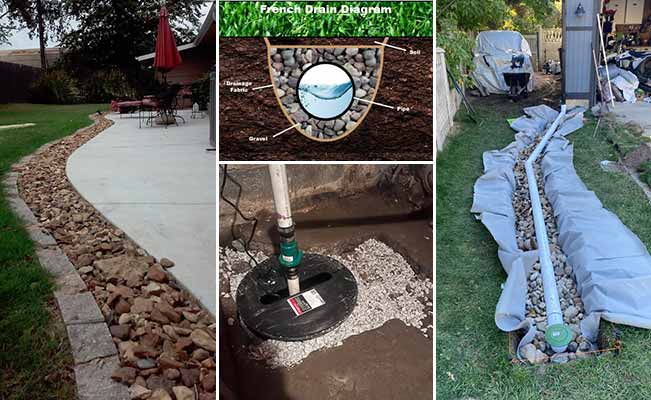
A French drain is a type of drainage system that redirects water away from an area, usually a foundation or crawl space. It consists of a trench filled with gravel or rock that contains a perforated pipe, allowing water to flow through and drain away from the vicinity. Two primary types of French drains are exterior French drains, installed around the foundation of a home, and interior French drains, placed within a basement or crawl space to collect and channel water.
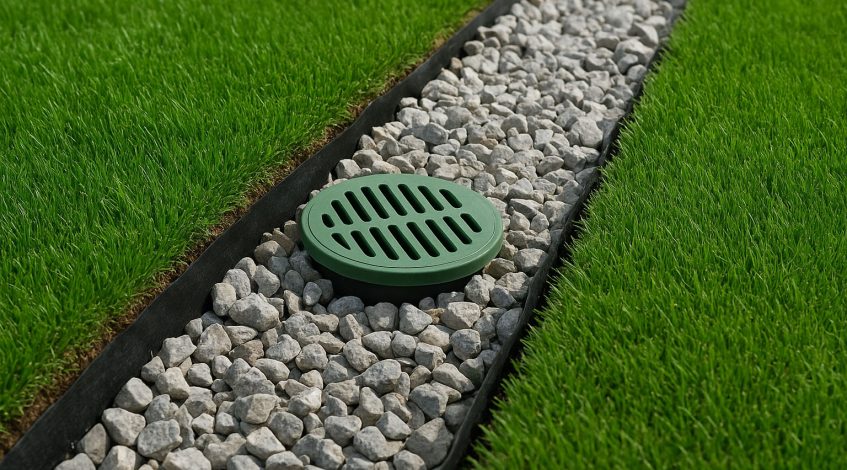
Common areas for installation include basements, yards, and any location prone to standing water. The installation of a French drain can significantly improve drainage management and is a crucial element of basement waterproofing.
Cost Breakdown of French Drains
The cost of installing a French drain varies depending on several factors, including the type of drain (exterior or interior) and local labor rates. On average, the French drain cost per linear foot ranges from $20 to $30. Total installation costs can range from $1,500 to $15,000, influenced by factors such as the complexity of the project, the length of the drain, and additional features like a sump pump.
Factors contributing to cost variations include the type of materials used—such as high-quality geotextile fabrics—and the necessity for foundation crack repair before installation. For detailed insights on average costs involved, refer to French Drain Cost: 2025 Pricing, Installation, Materials & Savings.
Good Options for Budgeting a French Drain
For homeowners seeking budget-friendly solutions, there are several options to consider when it comes to French drain installation. DIY French drain installation is a popular choice for those comfortable with home improvement projects, potentially saving significant costs associated with professional labor.
Basic materials needed for a DIY project include perforated drainage pipe, gravel, and landscape fabric to prevent soil from clogging the system. Homeowners should also take into account proper foundation repair signs to ensure that a French drain is the appropriate solution for their property.
Better Options for French Drain Systems
Enhanced solutions often involve a higher quality of materials and professional installation, making them a better choice for longevity and effectiveness. Homeowners can opt for advanced systems that incorporate a sump pump, which significantly increases the drainage system’s efficiency, particularly in areas with high water tables.
Using quality materials—like geotextile fabric—can ensure better filtration of soil particles and prolong the system’s durability. When considering a sump pump install, homeowners should consult professionals to adequately assess site-specific needs and potential challenges.
Best Options for Comprehensive Drainage Solutions
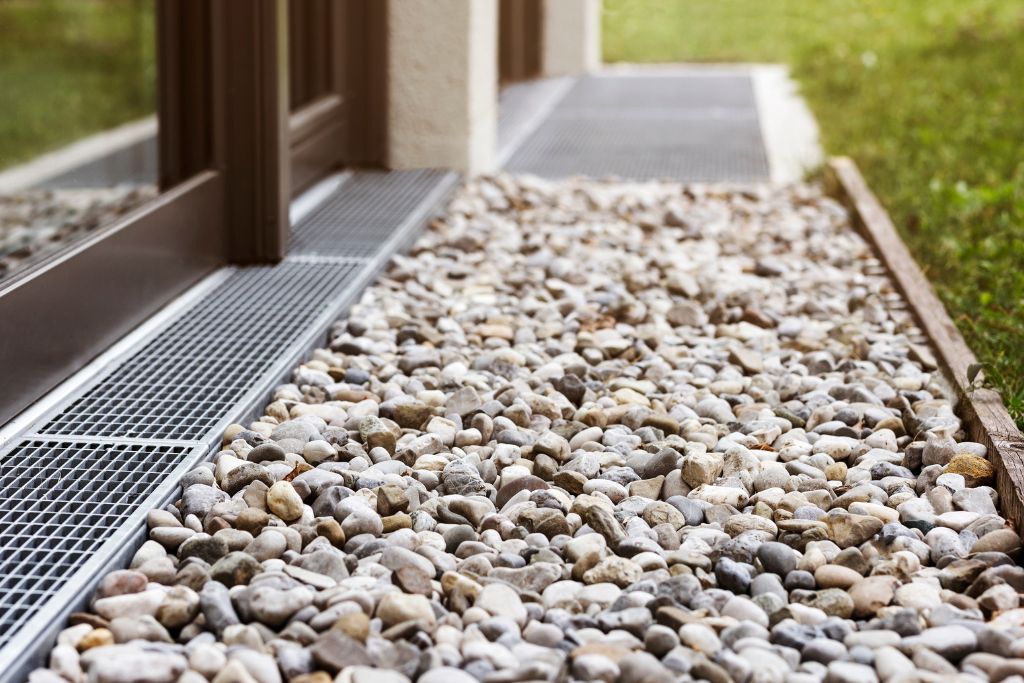
The best options for French drains include advanced systems equipped with specialized features, such as built-in monitoring systems or dual-drain layouts for greater efficiency. These systems may require more complex installation but offer significant benefits in terms of long-term water management and reduced risk of water damage.
Choosing high-end materials and designs can lead to considerable savings over time due to decreased maintenance and repair costs. For added protection, homeowners may consider options that combine French drains with comprehensive basement waterproofing strategies, ensuring optimal protection against water infiltration.
Basement waterproofing cost insights can help assess the overall investment needed for effective drainage solutions.
Factors Influencing French Drain Costs
Several aspects affect the overall costs of installing a French drain. Key factors include the length of the drain required for proper water diversion, local labor costs, and any necessary landscaping repairs that accompany the installation. Additionally, the choice of materials will also play a significant role in determining final expenses.
Regional price trends can also lead to notable differences in installation costs, influencing homeowners’ budgeting strategies. For a detailed breakdown of these influencing costs, visit How Much Does a French Drain Cost to Install?.
Comparisons of Exterior vs. Interior French Drains
| Aspect | Exterior French Drain | Interior French Drain |
|---|---|---|
| Purpose | Diverts water away from the foundation | Collects and channels water within basements |
| Ideal Locations | Yards, foundation base | Basements, crawl spaces |
| Installation Complexity | Higher (outside site work) | Moderate (involves indoor excavation) |
| Cost Implications | Generally higher due to excavation | Potentially lower, but varies with complexity |
Both types of drains serve critical functions in preventing water damage and should be chosen based on specific property needs. For further details on their cost comparisons, see How Much Does a French Drain Cost in 2025?.
Maintenance and Longevity of French Drains
Proper maintenance is vital for extending the lifespan of French drains. Regular inspections and cleaning are necessary to prevent sediment buildup, which can hinder water flow. Homeowners can reduce future costs and issues by taking proactive steps to maintain drains.
Simple maintenance tasks include removing debris from surface grates and ensuring that the outlet points of drains are clear of blockages. In the event of significant water events, homeowners should be prepared to consult resources on how to prevent water damage after a flood to protect their properties effectively.
Understanding the appropriate options for budgeting French drains is crucial for any homeowner. By evaluating good, better, and best solutions and recognizing the financial implications, homeowners can make informed decisions that best fit their unique needs and circumstances.




Leave a Reply